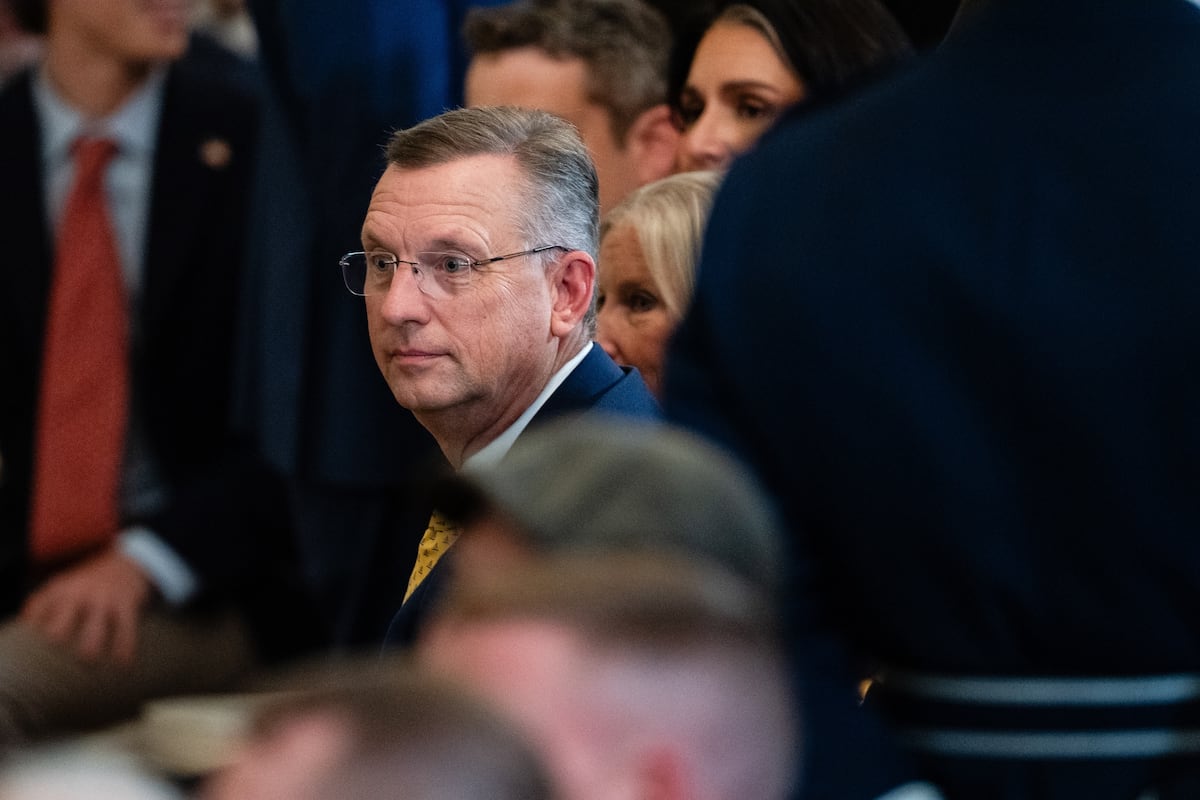
US-India Trade Deal Seals Diplomatic Breakthrough as Tariffs Fall
The United States and India seal a comprehensive trade deal, easing tariffs and boosting bilateral energy, technology, and trade ties.

Narendra Damodardas Modi, born September 17, 1950, in Vadnagar, Gujarat, is the current Prime Minister of India and a leading figure in the country’s political landscape[1][4]. He is the first Indian prime minister born after India’s independence in 1947[5][7]. Modi’s early life was marked by modest beginnings in a lower-middle-class family, and he became involved with the Rashtriya Swayamsevak Sangh (RSS), a right-wing Hindu nationalist organization, at a young age[2][4]. His political career began in earnest when he joined the Bharatiya Janata Party (BJP) in the 1980s, rising through its ranks due to his organizational skills and grassroots appeal[2][4]. Modi’s first major political role was as Chief Minister of Gujarat from 2001 to 2014, where he was known for pro-business policies and infrastructure development, though his tenure was also controversial due to the 2002 Gujarat riots, for which he faced criticism but was later cleared by a Supreme Court-appointed investigation[4]. In 2014, Modi led the BJP to a decisive national victory, becoming Prime Minister and ending a long period of coalition governments[1][2]. He was re-elected in 2019 and again in 2024, making him one of India’s longest-serving prime ministers and the first outside the Indian National Congress to achieve such longevity[4][2]. As Prime Minister, Modi has pursued sweeping economic reforms, including the introduction of the Goods and Services Tax (GST) to simplify India’s tax system and the demonetization of high-value currency notes to combat corruption[1][6]. He has launched initiatives like “Make in India” to boost manufacturing, “Digital India” to expand internet access, and “Atmanirbhar Bharat” (Self-Reliant India) to reduce import dependency, especially after the COVID-19 pandemic[6]. His government has also implemented large-scale welfare programs such as Ayushman Bharat (health insurance for the poor), Pradhan Mantri Jan Dhan Yojana (financial inclusion), and Ujjwala Yojana (clean cooking fuel for rural households)[5]. Modi’s tenure has seen a marked shift in India’s foreign policy, with increased global engagement, strategic partnerships, and advocacy for a permanent UN Security Council seat[3]. Domestically, his leadership has been associated with a rise in Hindu nationalist sentiment and policies appealing to the Hindu majority[1]. While his economic reforms have expanded the tax base and modernized infrastructure, critics point to challenges such as unemployment and rising living costs[1]. Modi remains a central and polarizing figure in Indian politics, with his policies and persona continuing to shape the nation’s direction into the mid-2020s[2][4].
The United States and India seal a comprehensive trade deal, easing tariffs and boosting bilateral energy, technology, and trade ties.
Trump pushes to curb Russian oil as Putin visits India, testing India's balanced stance amid US pressure.
Trump claims Modi will halt Russian oil purchases, pushing oil prices as India weighs its energy sourcing.
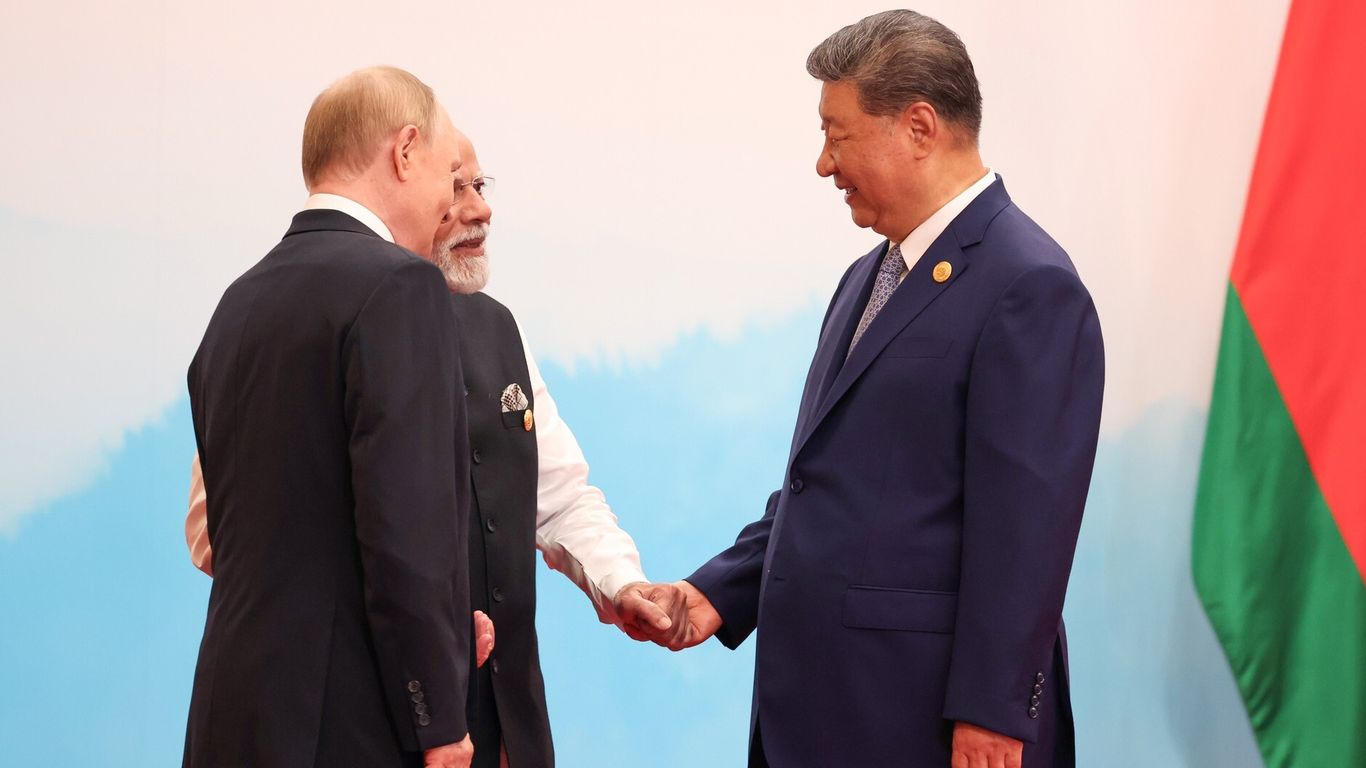
The recent G20 summit saw Indian Prime Minister Modi, Chinese President Xi, and Russian President Putin join forces against Trump's isolationist policies, highlighting the emergence of a new global alliance.
Indian Prime Minister Narendra Modi visits China and Russia to diversify foreign relations and show strength in the global arena.
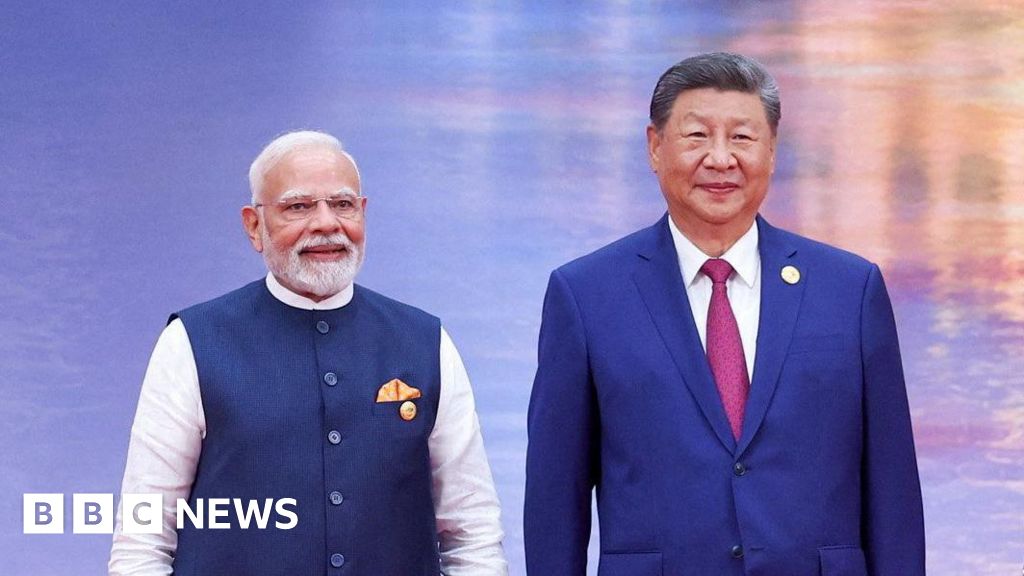
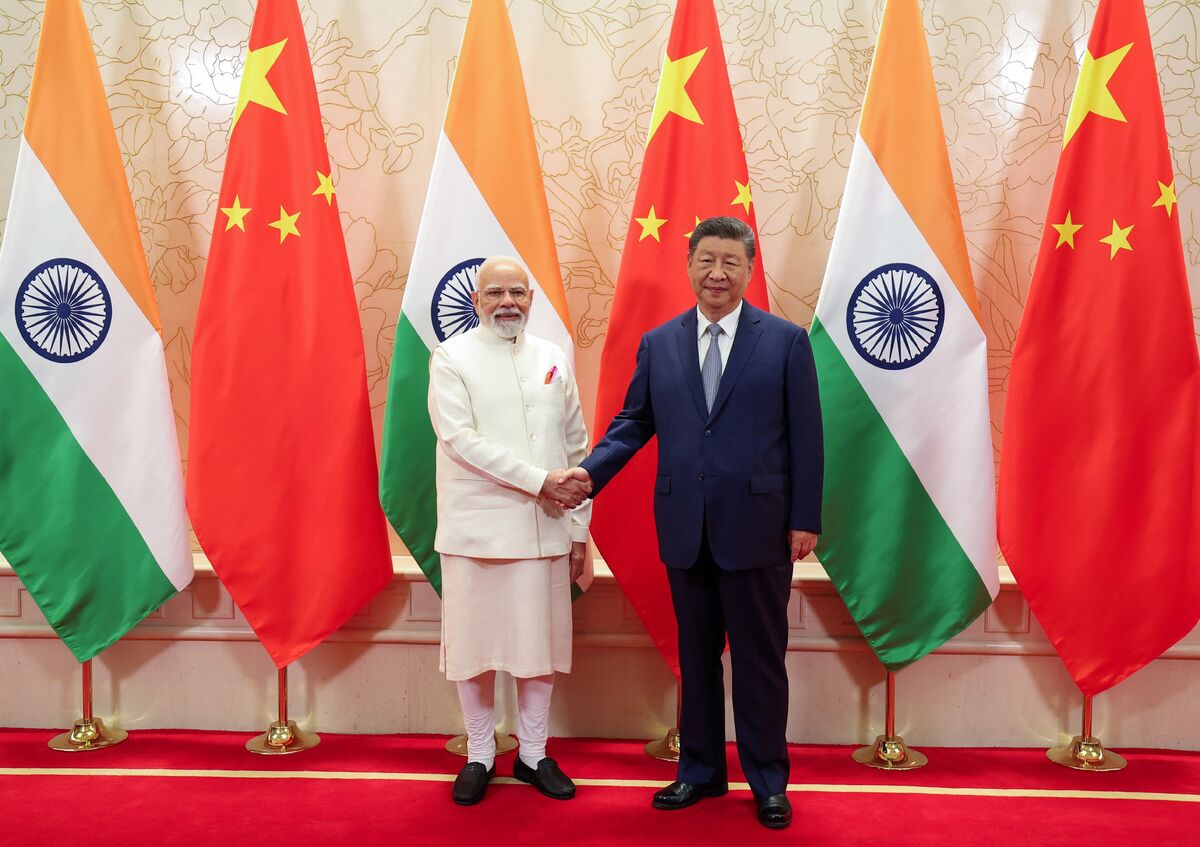
A look at the recent meeting between Indian Prime Minister Narendra Modi and Chinese President Xi Jinping, and its impact on their relationship.

As China seeks to strengthen its position as a global power, a forum of world leaders could challenge the U.S.'s dominance in global affairs.
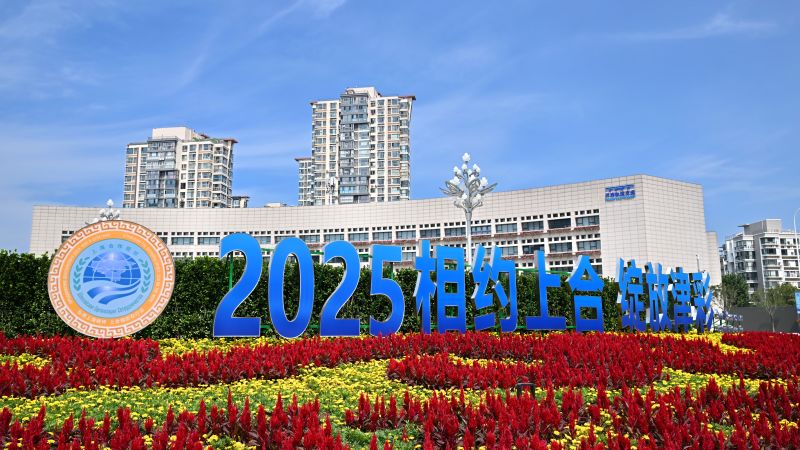
A look at the upcoming SCO summit in Qingdao, China and its impact on global relations and China's growing presence.

A look at the upcoming SCO security meeting and its implications for global politics.

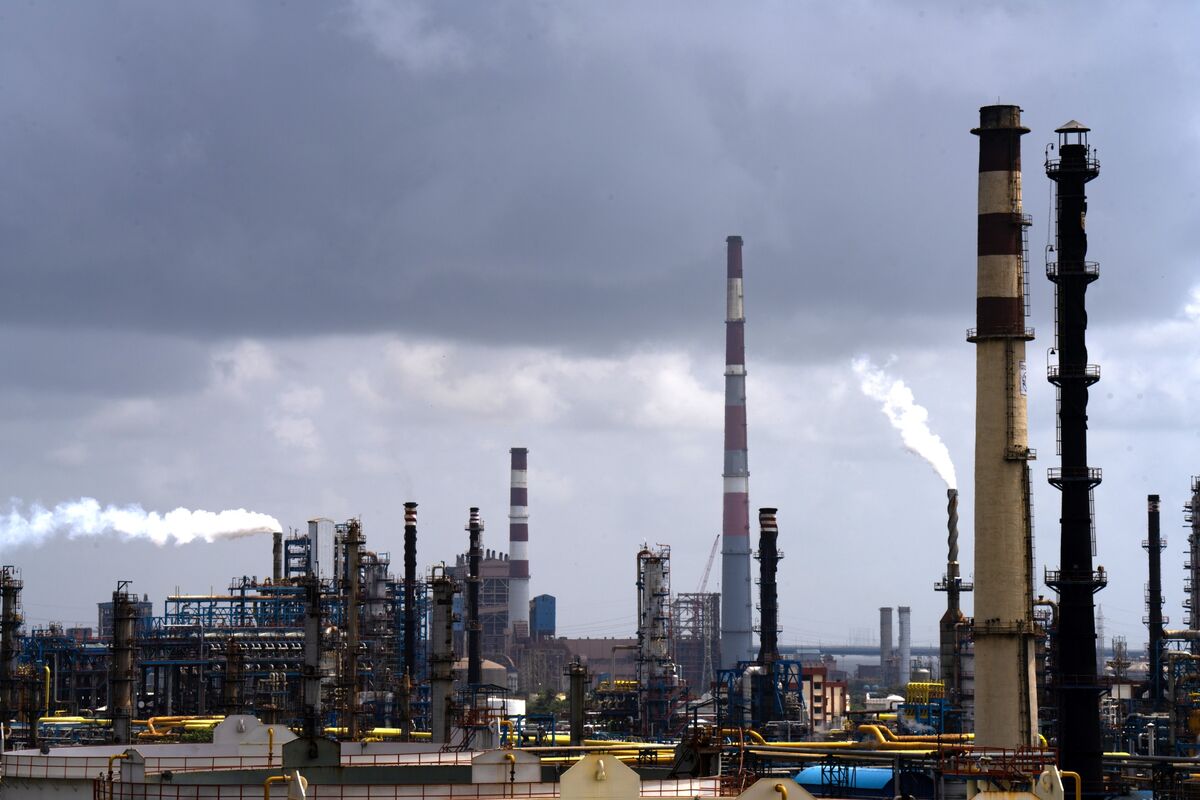
The recent decision by the US to impose additional tariffs on Indian goods has caused a strain on the relationship and has significant impacts on India's economy.
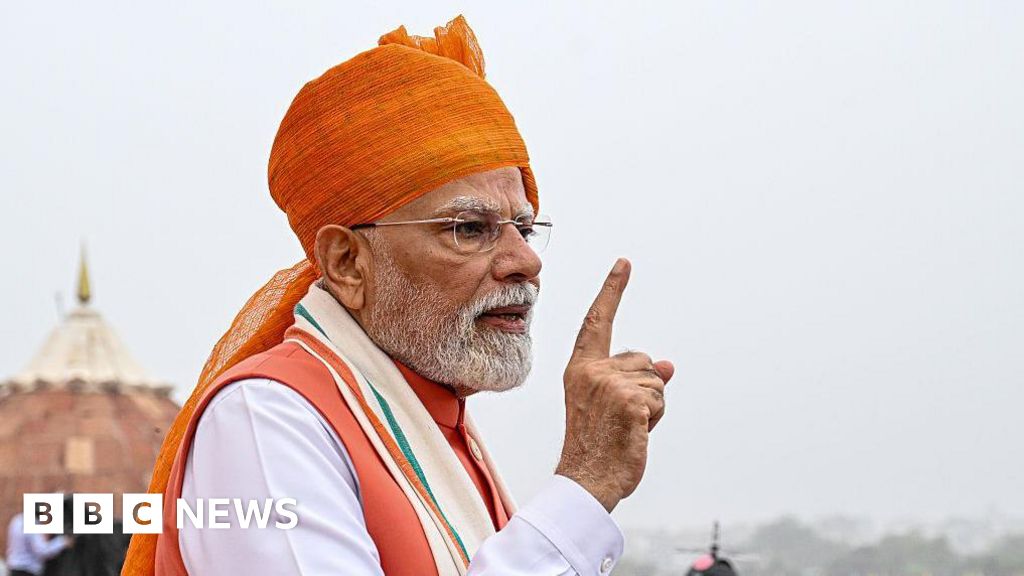
The US and India are facing tensions as President Trump's decision to impose tariffs on Indian exports causes an uproar.

Union Home Minister Amit Shah cautions Telangana CM against turning state into safe haven for Maoists, discusses government's firm stance and necessary measures.